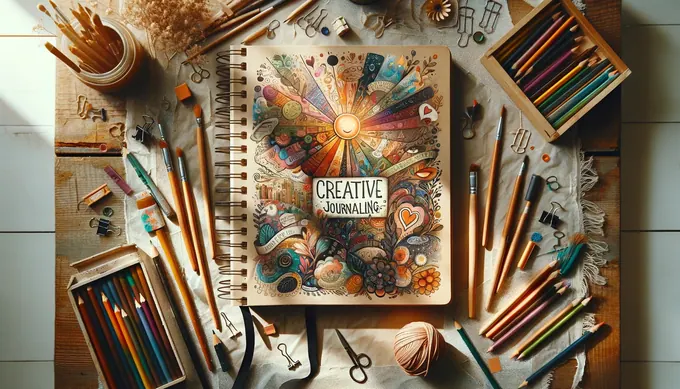

We all experience the daily ebb and flow of emotions. Sometimes, the waves crash down on us, leaving us feeling overwhelmed and lost. But what if there was a secret weapon readily available to navigate these emotional storms? Enter creative journaling.
Journaling can be a useful form of self-expression, although its effects vary. A 2018 preliminary randomized trial involving 70 adults with medical conditions and elevated anxiety found improvements in some measures of distress and well-being with positive-affect journaling. The study was small and short, so it does not establish that all forms of journaling treat depression or improve physical health.
Think of your journal as a non-judgmental friend, always ready to lend an ear (or rather, absorb your ink!). Here's how creative journaling can work its magic:
- Making Space for Emotions: Putting thoughts on paper can help some people name what they are feeling and decide what they want to discuss with someone they trust.
Unlocking Self-Discovery: Journaling can be a beautiful journey of self-exploration. By reflecting on experiences, dreams, and challenges, you gain a deeper understanding of your values, strengths, and even hidden desires. This newfound self-awareness empowers you to make positive changes in your life.
Boosting Creativity: Creative journaling isn't limited to just words. Doodling, collages, and mind maps are all ways to tap into your creativity and problem-solving skills. Think of it as a playground for your imagination, a space where there are no wrong answers, just endless possibilities.
My Personal Journey: As an Architect, I've witnessed the transformative power of creative journaling firsthand. I used to struggle with anxiety and depression, but journaling helped me identify my triggers and develop coping mechanisms. It also reignited my long-dormant passion for writing, leading me down a path of creative fulfillment.
You can start with a notebook and a few words or sketches. Choose a practice that feels manageable, and stop if it makes you feel worse. Self-care can support mental health; persistent or distressing symptoms deserve professional support.
Words by Akinwale Arokodare.
Explore more perspectives from Creative Practice.